Understanding Food Grade Storage Materials: Why It Matters
When it comes to food preservation, safety is not merely a recommendation; it is an absolute requirement. Whether you are managing a commercial restaurant, preparing long-term emergency supplies, or simply organizing a pantry, the materials you choose to house your food play a critical role in human health. "Food grade storage materials" refer to substances that have been deemed safe for direct contact with food without leaching harmful chemicals, imparting off-flavors, or facilitating bacterial growth.
Using non-food-grade containers—even for short periods—can result in the migration of heavy metals, phthalates, or Bisphenol A (BPA) into your consumables. In this guide, we break down exactly what you need to know to make authoritative decisions about your storage ecosystem.
The Science Behind Material Safety and Compliance
Not all plastics, metals, or glass materials are created equal. The regulatory landscape is governed by bodies like the FDA in the United States, which sets rigorous standards for materials that come into contact with food.
Plastic Resin Codes and Chemical Migration
Plastics are categorized by Resin Identification Codes (RIC). While these codes denote recyclability, they also serve as a guide for food safety.
- Type 1 (PET/PETE): Common for water bottles. Generally safe for single use, but prone to bacterial buildup if reused long-term.
- Type 2 (HDPE) and Type 5 (PP): These are the gold standard for food storage. High-Density Polyethylene and Polypropylene are stable, resistant to heat, and unlikely to leach chemicals.
- Type 3 (PVC) and Type 7 (Polycarbonate/Mixed): These should be avoided for food contact, as they often contain phthalates or BPA, which are known endocrine disruptors.
The Role of Glass and Stainless Steel
For long-term storage, inert materials like borosilicate glass and 304/316-grade stainless steel are superior. They are non-porous, meaning they do not absorb food odors or residues, and they are incredibly easy to sanitize at high temperatures.
Selecting Food-Grade Materials for Cold Storage
Cold storage presents unique challenges for storage materials. As temperatures fluctuate or drop to freezing levels, the physical integrity of your containers is tested.
When selecting materials for refrigeration or deep freezing, consider the following:
- Thermal Shock Resistance: Glass must be specifically tempered or borosilicate to survive the shift from room temperature to a freezer.
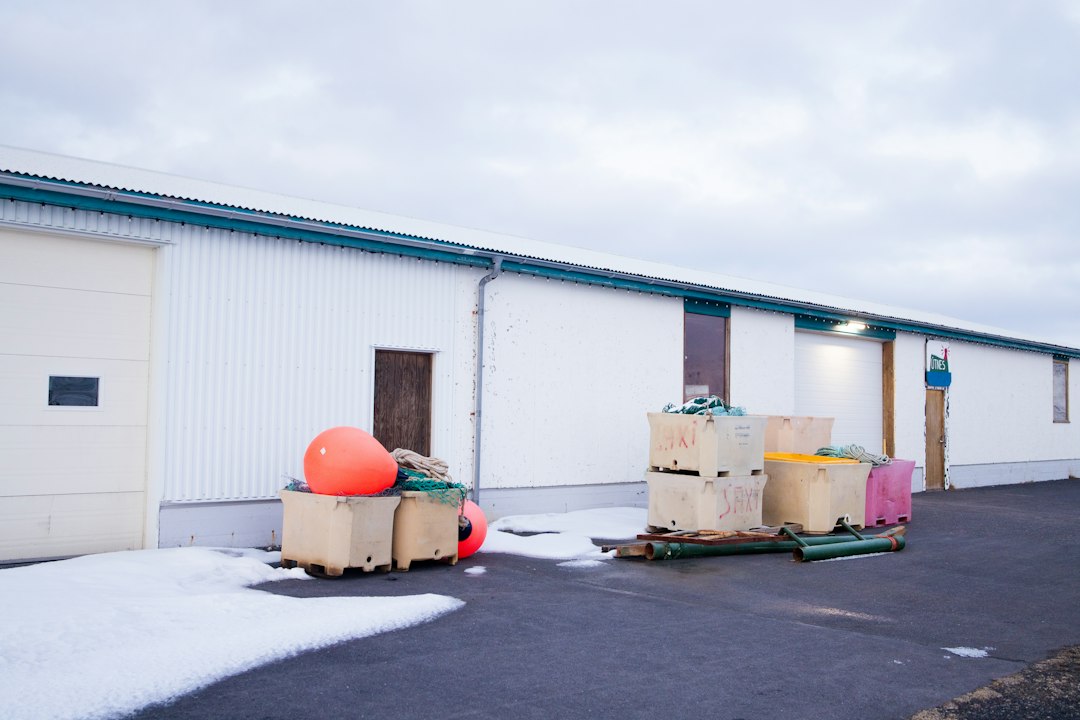
- Flexibility: Rigid plastics can become brittle and crack in sub-zero temperatures. HDPE remains highly durable under extreme cold, making it the preferred choice for industrial food-grade buckets and bins.
- Sealing Integrity: Cold air causes air contraction, which can compromise seals. Ensure that lids are airtight and specifically rated for low-temperature environments.
Hardware, Modding, and Maintenance Gear
Often, we focus on the container itself, but neglect the hardware that supports the storage system. In a commercial or large-scale pantry environment, shelving, gaskets, and organizational gear are just as vital.
Choosing Food-Safe Hardware
If you are modifying shelving or storage units, you must ensure all hardware—screws, brackets, and labels—is food-safe. Galvanized steel, while rust-resistant, can introduce zinc if it chips. Instead, opt for stainless steel hardware. When using sealants for modding custom food storage, always choose silicone-based products explicitly labeled as "FDA-approved for food contact."
Maintenance Gear
Keep your storage system clean using only food-safe detergents. Avoid abrasive pads that can create micro-scratches in plastic, as these scratches become breeding grounds for biofilms. Soft-bristle brushes and non-toxic, food-grade degreasers are essential components of your maintenance toolkit.
Comparison of Common Food Storage Materials
| Material Type | Food-Grade Rating | Best Use Case | Durability |
|---|---|---|---|
| HDPE Plastic | High | Bulk dry goods, cold storage | High |
| Borosilicate Glass | Highest | Leftovers, acidic foods, pantry staples | Medium (Fragile) |
| 304 Stainless Steel | Highest | Meal prep, heavy-duty commercial storage | Very High |
| Polycarbonate | Medium | Clear containers (must be BPA-free) | High |
| Standard PVC | Low | Never use for food storage | N/A |
Best Practices for Long-Term Organization
To maintain the integrity of your food storage:
- Label Everything: Use food-safe, moisture-resistant labels.
- Rotation (FIFO): Use the "First In, First Out" method to ensure contents remain fresh.
- Sanitization Routines: Deep clean all reusable containers at least once a quarter, inspecting for signs of cracking, crazing, or warping.
- Avoid Sunlight: Even food-grade plastics can break down over years of direct UV exposure. Store containers in a cool, dark environment.
Final Thoughts: Investing in Safety
Choosing the right food grade storage materials is an investment in your long-term health and the quality of your ingredients. By prioritizing HDPE for bulk storage, glass for acidity-heavy items, and stainless steel for heavy-duty hardware, you create a robust, safe, and efficient food ecosystem. Never cut corners with inferior plastics; the short-term cost savings are never worth the long-term health risks associated with chemical contamination.