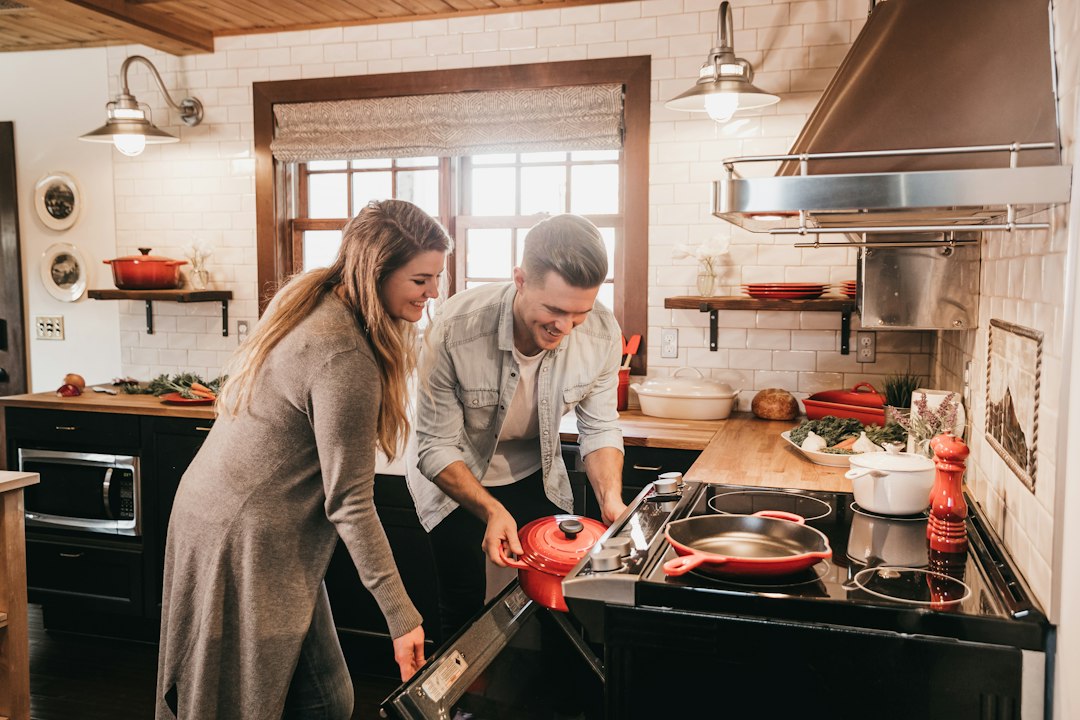
What Is a Batch Cooking Workflow and Why It Matters
Batch cooking is more than a trendy meal prep tactic—it is a systematic approach to preparing large quantities of food during a single focused session so that subsequent meals require minimal effort throughout the week. The workflow component transforms batch cooking from a chaotic weekend marathon into a streamlined, repeatable process that actually fits into a busy schedule.
Most home cooks fall into a pattern of buying groceries, cooking individual dinners every night, and washing dishes constantly. This traditional method consumes roughly seven to ten hours per week when you factor in meal planning, shopping, cooking, and cleanup. A well-designed batch cooking workflow can slash that time by half or more while delivering healthier, home-cooked meals on demand.
The psychological benefit should not be overlooked either. Decision fatigue is a real phenomenon that affects how we eat and how we perform throughout the day. When your meals are already prepared, you eliminate the daily question of what to make, which alone can save thirty to forty-five minutes of mental overhead every single evening.
The Science Behind Time Savings in the Kitchen
Research from the Journal of Nutrition Education and Behavior suggests that individuals who engage in regular meal preparation report significantly higher diet quality and lower food costs. The underlying mechanism is straightforward: when food is ready and accessible, people are far less likely to order takeout or reach for processed convenience foods.
A structured workflow amplifies these benefits by removing friction at every step. Instead of wandering through the kitchen looking for ingredients or waiting for one pan to cool before starting the next, you move through a deliberate sequence that keeps every element moving simultaneously.
The Four Phases of an Effective Batch Cooking Workflow
Every successful batch cooking session follows four distinct phases. Treating each phase as its own discipline ensures nothing falls through the cracks and that your time investment yields maximum returns.
Phase One: Strategic Planning
Planning is where most people skip ahead and sabotage their own success. A proper batch cooking workflow demands that you create a detailed plan at least three days before your cooking session. This plan should specify exactly which recipes you will prepare, the quantities needed, and the order in which items should be cooked based on overlap potential.
Start by auditing your calendar for the upcoming week. Identify any nights where you will be traveling, working late, or otherwise unable to eat a prepared meal. Build your batch around the meals you actually need, not an idealized version of your week that will crumble on Tuesday.
Next, select three to five recipes that complement each other. Look for shared ingredients to minimize waste and shopping trips. A recipe for roasted chicken thighs, for example, can pair with a grain bowl and a roasted vegetable side, all using the same protein and overlapping seasonings.
Phase Two: Intentional Shopping
Your shopping strategy should mirror your plan precisely. Write a categorized list that groups items by store section—produce, proteins, pantry, dairy—so you move through the store efficiently without backtracking. Double-check your pantry and refrigerator before you go. Nothing derails a workflow faster than discovering you already have olive oil or dried herbs at home.
Consider splitting larger shopping trips into two shorter ones if your schedule allows. A midweek top-up run for fresh herbs or leafy greens can keep your prepped meals tasting vibrant longer than a single massive Saturday trip.
Phase Three: Focused Preparation
This is the core of your batch cooking workflow. The preparation phase should follow a deliberate sequence that maximizes oven and stovetop usage while minimizing active monitoring. Think of it like an assembly line where each station has a specific role.
Begin by preheating your ovens and setting out all your equipment. Then tackle items in order of longest cook time first. A pot of quinoa or brown rice takes approximately forty-five minutes, while roasted vegetables take thirty-five to forty minutes. You can launch both simultaneously and move on to proteins or stovetop components while they work.
Chopping all your vegetables before you start cooking is a non-negotiable step in this phase. Mise en place, the French culinary principle of preparing and organizing ingredients beforehand, transforms a chaotic cooking session into a controlled, efficient process.
Phase Four: Intelligent Storage
How you store your food determines whether your batch cooking workflow succeeds or fails within forty-eight hours. Improper storage leads to soggy textures, flavor degradation, and food waste—all outcomes that undermine the entire effort.
Use airtight glass containers with locking lids rather than plastic bags or foil-wrapped plates. Glass does not absorb odors or stains, and it reheats evenly in the microwave. Divide your food into single-serving or two-serving portions so you are not constantly thawing and refreezing a large container.
Label everything with the date and contents. A simple piece of masking tape and a marker will prevent the dreaded mystery Tupperware situation that forces you to guess whether that greenstuff in the back of the fridge is Wednesday broccoli or Thursday spinach.
Tools That Transform Your Batch Cooking Workflow
Having the right equipment is not about having the fanciest gadgets—it is about having tools that genuinely reduce time and effort at each stage of your workflow.
Essential Containers and Storage Solutions
Square glass containers stack more efficiently than round ones in both your refrigerator and your freezer. Look for a set that includes multiple sizes: small portions for sides and sauces, medium portions for proteins and grains, and larger containers for casseroles or bulk ingredients.
Freezer-safe options are critical for extending the life of your batch cooking efforts. Some materials become brittle and crack in freezing temperatures, so verify that your containers are rated for both freezer and microwave use if you plan to freeze any portion.
Multipurpose Cooking Equipment
Invest in at least two full-size sheet pans. The ability to roast two different vegetables or proteins simultaneously on separate pans doubles your oven throughput without increasing cook time. Silicone baking mats replace parchment paper and reduce cleanup time significantly.
A high-quality insulated lunch bag paired with an ice pack turns your batch cooking workflow from a weekly chore into a practical daily system. Without proper transport, even the best-prepared meals become impractical for work or school.
Time-Saving Gadgets Worth the Investment
A food processor with multiple blade attachments can chop onions, shred cheese, and slice vegetables in seconds—tasks that would otherwise consume twenty to thirty minutes of manual labor. An instant-read thermometer eliminates guesswork when cooking proteins and ensures consistent results across every batch session.
Building Your Batch Cooking Workflow: A Step-by-Step Guide
Creating your own batch cooking workflow requires experimentation, but the foundational structure remains consistent across every successful session. Follow this step-by-step guide to build a system that works for your specific lifestyle.
Week One: Establish the Baseline
Start simple. Choose one protein, one grain, and two vegetables. Cook each component separately and store them in individual containers. This initial session helps you understand how long basic batch cooking actually takes in your kitchen and reveals any bottlenecks in your process.
Track your time from start to finish. Note which steps took longer than expected and which flowed smoothly. This baseline data becomes invaluable when you expand your workflow in subsequent weeks.
Week Two: Add Complexity Gradually
Introduce a second protein and a third vegetable. Experiment with combining cooked components into complete meals rather than storing them separately. This step tests whether your workflow can handle increased variety without becoming unwieldy.
Pay attention to timing conflicts. If your grain takes longer to cook than your vegetable roasts, you need to adjust your sequence or add equipment to run tasks in parallel.
Week Three and Beyond: Refine and Optimize
By the third week, you should have a rough sense of your personal batch cooking rhythm. Refine it by adjusting portion sizes, testing new recipe combinations, and experimenting with batch sizes that match your household consumption patterns.
Keep a running note of what worked and what did not. Over time, this log becomes your personal batch cooking cookbook—a reference guide that eliminates guesswork and speeds up every future session.
Common Batch Cooking Workflow Mistakes and How to Avoid Them
Even experienced cooks make avoidable errors that undermine their batch cooking workflow. Recognizing these pitfalls early saves significant time and frustration.
Overcomplicating the Menu
The desire to create gourmet-level variety often leads to overwhelming menus that require too many unique ingredients and cooking techniques. A streamlined workflow relies on simplicity and repeatability, not culinary ambition. Stick to three to five recipes per session and rotate them monthly.
Ignoring Reheating Quality
Not all foods reheat well. Leafy greens, fried items, and certain dairy-based sauces deteriorate noticeably when reheated. Design your batch cooking workflow around foods that maintain or improve their texture and flavor after refrigeration or freezing. Stews, grain bowls, roasted meats, and baked pasta dishes are reliable reheating candidates.
Skipping the Cleanup Phase
A batch cooking workflow is incomplete without dedicated cleanup time built into the schedule. Many cooks finish their session exhausted and rush to clean, leaving dishes to soak overnight and creating a stressful environment for the next session. Allocate the last thirty minutes of your cooking time exclusively for cleaning, and your kitchen will stay functional and welcoming.
Comparing Batch Cooking Workflows to Traditional Meal Preparation
Understanding the difference between batch cooking and conventional meal prep helps you choose the right approach for your life. The table below breaks down the key distinctions across several practical dimensions.
| Dimension | Traditional Weekly Cooking | Batch Cooking Workflow |
|---|---|---|
| Active kitchen time per week | 7 to 10 hours | 2 to 3 hours |
| Daily decision fatigue | High | Low to none |
| Grocery shopping frequency | 1 to 2 times per week | 1 to 2 times per week |
| Dishwashing frequency | Every night | Once per session |
| Food cost efficiency | Moderate | High due to reduced waste |
| Meal variety flexibility | Daily customization possible | Limited to pre-planned options |
| Spontaneity in meal choices | High | Lower; requires adherence to plan |
| Best suited for | Small households or flexible schedules | Busy professionals, families, fitness enthusiasts |
Advanced Batch Cooking Workflow Techniques for Maximum Efficiency
Once you have mastered the basics, several advanced techniques can push your batch cooking workflow to the next level of efficiency and versatility.
The Theme Night Framework
Assign each batch cooking session a thematic focus, such as Mediterranean, Asian-inspired, or Mexican. This approach simplifies recipe selection because each cuisine has a established pantry of spices, sauces, and flavor profiles. You can shop and prep with confidence knowing your ingredients will work together harmoniously.
The Component Cooking Method
Instead of preparing complete meals, cook individual components—proteins, grains, roasted vegetables, sauces—and mix and match them throughout the week. This method dramatically increases perceived variety without increasing actual cooking time. A single batch of cilantro-lime rice, for instance, pairs with tacos on Monday, burrito bowls on Wednesday, and salad toppings on Friday.
Freezer Banking for Extended Workflows
Build a freezer reserve by doubling recipes on occasion and freezing the extra portions immediately. This strategy creates a safety net for unexpected weeks when your scheduled batch session is impossible due to travel, illness, or work demands. A well-stocked freezer acts as an insurance policy for your entire batch cooking workflow.
Making Your Batch Cooking Workflow Sustainable Long Term
The true measure of a successful batch cooking workflow is not how well you perform it once, but whether you can maintain it consistently over months and years. Sustainability depends on flexibility, self-compassion, and continuous refinement.
Adapt to Seasonal Changes
Your batch cooking workflow should evolve with the seasons. Summer offers abundant fresh produce that roasts beautifully and requires less cooking time. Winter calls for heartier stews, slow-cooked proteins, and root vegetables that benefit from longer preparation windows. Adjusting your recipe selections seasonally keeps the process fresh and cost-effective.
Build in Flexibility
Rigid workflows break under the pressure of real life. Allow yourself to swap days, adjust portion sizes, and modify recipes without guilt. If a particular batch session goes poorly, analyze what went wrong and adjust for next time rather than abandoning the entire system.
Celebrate Small Wins
Tracking your time savings reinforces the value of your batch cooking workflow. Calculate how many hours you have saved over a month and convert that into something meaningful—whether that is extra family time, a hobby, or simply the peace of mind that comes from knowing your meals are handled.
The batch cooking workflow is not about perfection. It is about creating a reliable system that serves your life rather than consuming it. Start small, refine continuously, and watch as your relationship with food and time transforms.