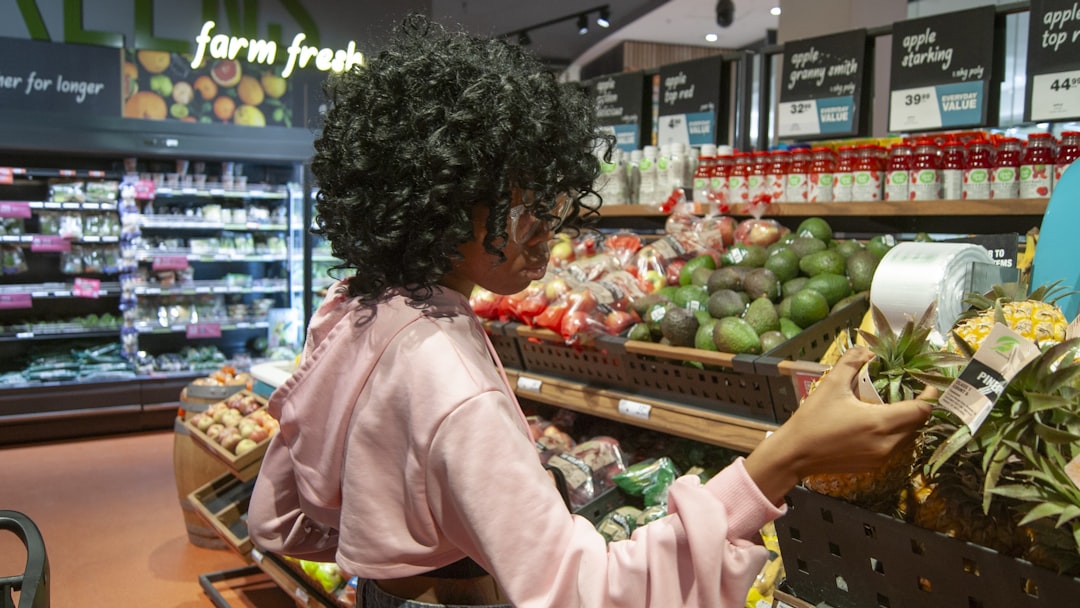
The Architecture of Efficient Grocery Shopping for Meal Prep
Most meal prep failures don't happen in the kitchen; they happen in the grocery aisle. When you walk into a supermarket without a strategic plan, you become a victim of marketing psychology, impulse buys, and the "choice paradox." To truly master grocery shopping for meal prep, you must transition from a consumer to an architect. You are not just buying food; you are procuring the raw materials for a week of productivity.
The secret lies in Workflow Optimization & Prep Strategy. Before you even set foot in the store, your kitchen must be audited. A lack of inventory control leads to "double-buying" spices or discovering you have five onions when you only need one. Professional meal preppers treat their pantry like a high-end restaurant: organized, visible, and strictly curated.
The Modular Ingredient Philosophy
The most common mistake amateur meal preppers make is shopping for specific, complex recipes that share no common ground. If your Monday meal requires one unique sauce and your Tuesday meal requires a different obscure herb, your grocery bill will skyrocket, and your fridge will become a graveyard of half-used jars.
Instead, shift your strategy toward modularity. Choose a protein, a grain, and a versatile vegetable base that can be combined in at least three different ways. For example, buying two pounds of roasted chicken, a bulk bag of quinoa, and a large box of spinach allows for:
- Chicken and quinoa grain bowls with lemon vinaigrette.
- Chicken spinach stir-fry.
- Mediterranean-style chicken wraps.
Smart Shopping Habits for Efficient Storage
Smart shopping isn't just about what you put in your cart; it’s about how you transport and preserve it. Efficient storage begins in the produce section. Avoid pre-cut fruits and vegetables unless you are truly time-strapped; they carry a 200% price premium and have a significantly shorter shelf life due to oxidation.
When shopping, look for "longevity indicators." Select produce that is firm, free of bruising, and appropriately packed. If you are buying leafy greens, opt for whole heads of lettuce or kale rather than bagged salads, which tend to wilt within 48 hours. By choosing whole produce, you gain an extra three to four days of freshness.
Strategic Layout Navigation
Every grocery store is designed to slow you down. The high-margin, high-impulse items are placed at eye level, while the staples are often tucked in the back corners. To optimize your time:
- Map Your Route: If you know your store’s layout, write your list by section (Produce, Protein, Pantry, Frozen, Dairy). Never zig-zag across the aisles.
- The 80/20 Rule: 80% of your cart should consist of whole, single-ingredient foods. Only 20% should be pre-packaged items (sauces, condiments, or frozen components).
- The "Cold Chain" Priority: Always pick up frozen and refrigerated items last. This prevents spoilage and maintains the integrity of the food you worked hard to select.
Comparison: Bulk vs. Convenience Shopping
Understanding where to spend your money is critical to maintaining a meal prep routine that is both sustainable and budget-friendly.
| Item Category | Strategy | Cost Efficiency | Prep Time Investment |
|---|---|---|---|
| Whole Grains | Buy in Bulk | Extremely High | Moderate (Boiling) |
| Produce | Seasonal/Whole | High | High (Chopping) |
| Proteins | Family Packs | High | Low (Portioning) |
| Sauces/Dips | Batch Cook | Moderate | Moderate |
| Pre-cut Produce | Convenience | Low | None |
Maximizing Shelf Life: The Post-Shop Workflow
The moment you return home is the most critical phase of the process. If you leave your groceries in the bags, you are inviting decay. Immediate "processed-storage" is the hallmark of a successful meal prepper.
- Wash and Dry: Never store greens wet. Use a salad spinner and store them in containers with a paper towel to absorb excess moisture.
- Protein Prep: If you’ve bought bulk meat, portion it into meal-sized bags or containers immediately. If you don't plan to use it within 48 hours, freeze it right away to lock in freshness.
- Airtight Storage: Glass containers are superior to plastic for meal prep. They don't absorb odors, they are microwave-safe, and they allow you to see exactly what is inside your fridge, reducing the chance of ingredients being forgotten.
Managing Perishables and Preventing Waste
Food waste is the primary killer of meal prep motivation. We often overbuy because we are optimistic about how much cooking we will actually do. To combat this, adopt the "Friday Cleanout" rule. On Friday, assess the produce drawer. Anything nearing the end of its life should be roasted, pureed into a soup, or blended into a smoothie.
Additionally, keep a "Pantry Base" of items that don't spoil easily—canned chickpeas, lentils, rice, pasta, and frozen vegetables. If your fresh produce runs out by Thursday, you can still construct a nutritious meal from your pantry base, saving you from the temptation of takeout.
The Long-Term Mindset
Grocery shopping for meal prep is a muscle; it gets stronger with repetition. Don’t expect to master the art of the perfect grocery run in one week. Start by optimizing one section of your shop—like produce or protein—and gradually expand your strategies to include your entire list. By treating your grocery run as a deliberate, tactical operation, you transform it from a chore into the foundation of your health and productivity.