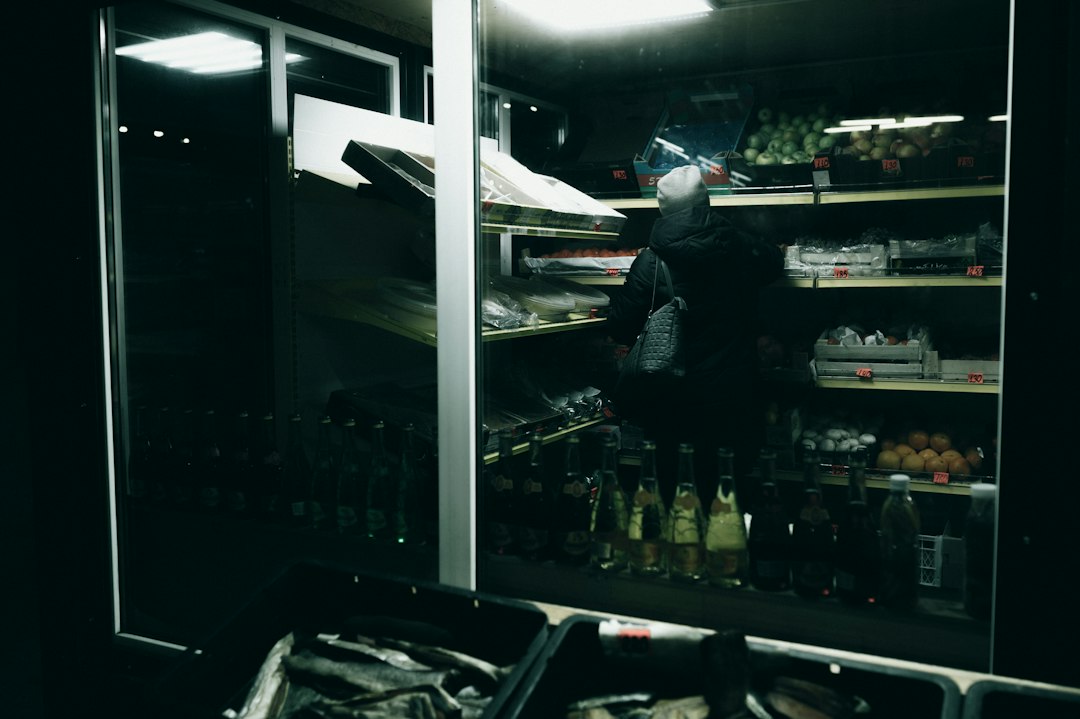
The Hidden Power of Refrigerator Illumination
For many homeowners, the refrigerator is the unsung hero of the kitchen. Yet, despite being the most frequently accessed appliance, it is often plagued by antiquated, yellow-tinted incandescent bulbs or poorly placed factory-installed LEDs that leave back corners in the shadows. A smart fridge lighting upgrade is more than just a cosmetic vanity project; it is a functional overhaul that enhances food safety, reduces spoilage by ensuring you can actually see what you have, and adds a layer of modern sophistication to your home.
Whether you are looking to install motion-activated sensors that greet you at 2:00 AM or high-CRI (Color Rendering Index) lighting that makes fresh produce look vibrant and appetizing, this guide covers the hardware, techniques, and safety protocols required to transform your appliance.
Why Your Current Fridge Lighting is Failing You
Most standard refrigerators use budget-grade LEDs designed for basic visibility rather than clarity. These factory-installed units often suffer from "dark spots," especially on middle shelves or near the back, where the geometry of the light source doesn't account for the bulk of food containers.
Beyond visibility, many older models utilize incandescent bulbs that emit heat. While minimal, this heat can fluctuate the ambient temperature in specific zones, potentially shortening the shelf life of delicate greens or dairy products located nearby. By upgrading to a smart, custom-fitted LED system, you gain control over the color temperature, intensity, and automation patterns that factory models simply cannot match.
Selecting the Right Hardware: A Modding & Maintenance Gear Guide
When shopping for a smart fridge lighting upgrade, you cannot simply pick up a generic LED strip from a big-box hardware store. The environment inside a refrigerator is extreme: it is cold, often humid, and requires food-safe materials.
Essential Components for Your Build
- IP65 or IP67 Rated LED Strips: These strips are silicon-coated to prevent moisture intrusion, which is essential for a high-humidity environment like a fridge.
- High-CRI LEDs (90+): You want your food to look natural. High-CRI light ensures that the colors of your fruits and vegetables are accurately rendered.
- Magnetic Reed Switches: These are the gold standard for triggering your lights. When the magnet on the door moves away from the sensor, the light turns on instantly.
- Cold-Resistant Adhesive: Standard 3M backing often fails in sub-zero or high-moisture environments. Look for heavy-duty VHB (Very High Bond) tape designed for industrial applications.
Installing Smart Fridge Internal Lighting Upgrades
The process of installing custom lighting requires precision. Since you are working inside a food-storage environment, cleanliness and waterproofing are your top priorities.
Step-by-Step Execution
- Preparation and Cleaning: Remove all food items and wipe down the interior walls with an isopropyl alcohol solution to remove any grease or residue. A clean surface is critical for adhesive longevity.
- Mapping the Layout: Before peeling any backings, measure your runs. Avoid the path of the door seal. You want the light to be recessed or mounted in a way that it doesn't interfere with the closing mechanism.
- Wiring and Power: Where possible, tap into the existing light socket using a custom harness, or run a thin, flat ribbon cable through the door seal—ensuring you use a high-quality sealant to maintain the integrity of the fridge’s thermal insulation.
- Testing the Automation: If you are using a smart controller (like a Zigbee or Wi-Fi LED driver), ensure the signal can penetrate the metal casing of the fridge. Often, an external controller with a wired lead into the fridge is the most reliable configuration.
| Feature | Factory LED | DIY Smart Upgrade | Performance Impact |
|---|---|---|---|
| Color Rendering (CRI) | Low (70-80) | High (90+) | Better food freshness visibility |
| Automation | Basic On/Off | Motion/Smart Trigger | Energy efficiency |
| Durability | Moderate | High (IP67 Rated) | Moisture/Cold resistance |
| Customization | None | Fully Dimmable | Tailored to your needs |
Optimizing for Energy Efficiency and Safety
A smart fridge lighting upgrade is an excellent way to reduce your energy footprint. By utilizing motion-activated sensors, you ensure that the lights are only on when the door is open, and by choosing high-efficiency LED strips, you draw significantly less power than the factory-installed incandescent or older-generation LED fixtures.
From a safety perspective, always ensure that your power supply (transformer) is located outside the refrigerator. The internal electronics should be low-voltage (12V or 24V). Never route standard 120V AC lines inside the food compartment.
Future-Proofing Your Appliance
The smart home ecosystem is constantly evolving. When you plan your lighting upgrade, consider "future-proofing" by integrating controllers compatible with Home Assistant, Matter, or Philips Hue. This allows you to create "scenes"—for example, having the fridge interior glow a soft, dimmed amber during late-night hours to prevent the harsh blue light from jolting you awake during a midnight snack run.
Final Thoughts: The ROI of a Well-Lit Kitchen
While the cost of the hardware might be minimal, the daily utility of a well-lit refrigerator is immense. You will spend less time hunting for ingredients, less energy keeping the door open while searching, and enjoy a professional-grade kitchen experience that elevates your everyday routine.