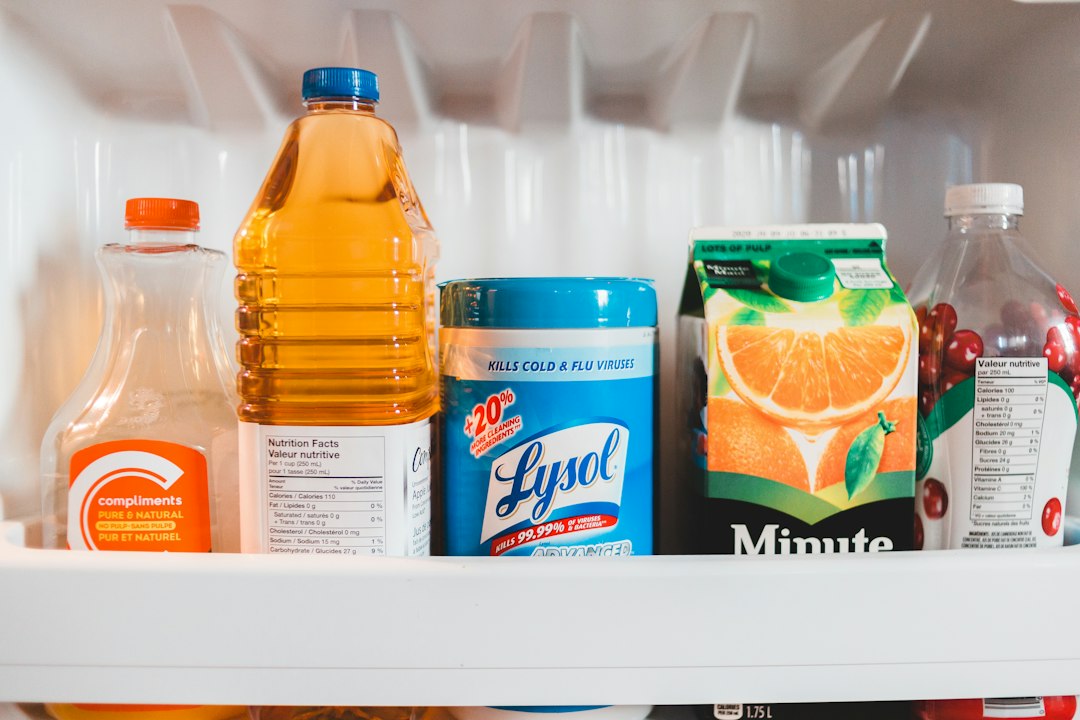
The refrigerator is the unsung hero of the modern home. It is the only appliance in your house that works 24 hours a day, 365 days a year, often without a single moment of rest. Yet, it is frequently the most neglected piece of hardware in the kitchen. Neglecting your fridge doesn't just lead to spoiled groceries; it leads to an overworked compressor, higher energy bills, and eventually, a catastrophic failure that could cost thousands of dollars.
By following this comprehensive refrigerator maintenance checklist, you transition from reactive "break-fix" cycles to a proactive strategy that keeps your appliance running at peak performance for years to come.
The Foundation: Mastering Your Condenser Coils
The most critical component of your refrigerator’s health is the condenser coil. Located either at the back or underneath the unit, these coils are responsible for dissipating the heat absorbed from inside your fridge. When dust, pet hair, and kitchen grease blanket these coils, the refrigerator cannot release heat efficiently.
The result? The compressor has to run significantly longer to maintain the desired temperature, which leads to overheating and premature wear.
How to Clean Your Coils Effectively
- Safety First: Unplug the unit or turn off the circuit breaker to prevent electrical accidents.
- Accessing the Coils: If your coils are at the back, pull the unit away from the wall. If they are underneath, you will need to remove the front kickplate (the panel at the bottom).
- The Right Gear: Use a long-handled coil brush to dislodge heavy debris. Follow up with a vacuum hose attachment to suck up the dust. Never use a damp cloth, as you do not want to introduce moisture into electrical components.
- Frequency: Aim for this deep clean every six months, or every three months if you own shedding pets.
The Door Seal Inspection (Gasket Integrity)
The rubber seal—or gasket—around your refrigerator door is the first line of defense against thermal leakage. If this seal is cracked, loose, or brittle, warm air will seep into the fridge. This causes the internal temperature to fluctuate, forces the cooling system to work double-time, and creates ice buildup in the freezer.
Perform the "Dollar Bill Test." Close the refrigerator door on a dollar bill. If you can pull the bill out with zero resistance, your gasket is failing and likely needs to be replaced. A tight seal ensures that the cold stays in and the electricity bill stays low.
Preventative Maintenance Checklist for Smart Fridges
The rise of smart appliances has introduced a new layer to our routine. While standard hardware maintenance remains identical, modern smart fridges require a digital upkeep strategy.
The Digital Maintenance Routine
- Firmware Updates: Just like your smartphone, smart fridges rely on software to manage cooling cycles and internal sensors. Check the manufacturer's app monthly to ensure your unit is running the latest firmware.
- Hardware/Connectivity Check: Periodically check that your Wi-Fi signal is strong near the fridge. A disconnected smart fridge can lose its ability to alert you to critical errors like door-ajar warnings or temperature spikes.
- Sensor Calibration: If your smart fridge has a "Diagnostic Mode," run it quarterly. This will scan for errors in the internal humidity sensors and digital thermostats that could lead to erratic cooling.
Essential Maintenance Gear and Supplies
To stay on top of these tasks, you don’t need a toolbox full of heavy machinery. Keep a dedicated "Fridge Care Kit" in your pantry.
| Tool/Supply | Purpose | Frequency |
|---|---|---|
| Condenser Coil Brush | Removes dust/pet hair from coils | Every 6 months |
| Vacuum Attachment | Cleans debris from compressor cavity | Every 6 months |
| Water Filter | Prevents scale and improves water taste | Every 6 months |
| Air Filter | Eliminates odors and bacteria | Every 6 months |
| Silicone Lubricant | Keeps door gaskets supple and crack-free | Every 12 months |
Water and Air Filtration Management
Many homeowners treat water and air filters as "optional." This is a mistake. A clogged water filter restricts flow to your ice maker and water dispenser, which puts undue strain on the water valve. Even worse, if you ignore the filter, you risk mineral buildup in the internal tubing, which is significantly more expensive to repair than simply swapping a filter.
Best Practices for Filters
- Set Recurring Reminders: Don't rely on your memory. Use a calendar alert or the built-in reminder feature on your fridge.
- Buy Original Parts: While third-party filters are cheaper, they often lack the filtration capacity of the manufacturer-approved parts, which can lead to sediment buildup in your fridge’s delicate internal plumbing.
Managing the Interior Environment
How you organize and clean the interior of your fridge directly impacts the hardware. Overstuffing your fridge blocks the air vents, preventing the circulation of cold air. If the internal fan has to fight against a wall of produce, it will eventually burn out.
- Vent Maintenance: Keep items at least two inches away from the air vents.
- Cleaning Spills: Sugar and acid from spilled food can corrode the plastic and metal shelving over time. Clean spills immediately to maintain the integrity of the interior lining.
The Seasonal Checkup: A Summary
Think of your refrigerator as an athlete; it needs a warmup and a cooldown period. Before summer arrives, take an afternoon to ensure the coils are clean and the seal is tight, as the increased ambient heat in your home will make the fridge work significantly harder during the warmer months. By investing just one hour of maintenance every six months, you avoid the thousands of dollars in repairs associated with total compressor failure.