Introduction: The Critical Role of Food Container Labeling
In today's fast-paced kitchens, food container labeling is no longer a luxury—it is a fundamental practice for ensuring food safety, reducing waste, and maintaining an efficient storage system. Whether you are managing a household refrigerator, a commercial kitchen, or a meal-prep business, proper labeling serves as the backbone of organized food storage. This comprehensive guide delves into the intricacies of food container labeling, exploring best practices, advanced preservation techniques, and strategies for effective fridge management. By the end, you will have a clear roadmap to implement a labeling system that enhances safety, extends freshness, and simplifies your culinary workflow.
Why Labeling Matters
Labeling food containers is not merely about identifying contents; it is a critical component of food safety and operational efficiency. Here’s why it cannot be overlooked:
- Safety First: Clear labels prevent accidental consumption of expired or allergenic foods, reducing the risk of foodborne illnesses.
- Waste Reduction: By tracking dates and contents, you can use items before they spoil, significantly cutting down on food waste.
- Time Savings: Imagine searching for a specific ingredient in a fridge full of unlabeled containers. Labeling eliminates this guesswork, saving valuable time during meal preparation.
- Accountability: In shared spaces, labels indicate who prepared the food and when, fostering responsibility among household members or staff.
The Consequences of Poor Labeling
Neglecting to label food containers can lead to serious repercussions. Studies show that improperly stored and unlabeled foods are a leading cause of household food waste, with Americans discarding approximately $1,500 worth of food per year. Moreover, unlabeled containers increase the risk of cross-contamination, especially for individuals with severe food allergies. In commercial settings, poor labeling can result in health code violations and reputational damage. Clearly, investing time in a robust labeling system is an investment in health, efficiency, and sustainability.
Labeling Best Practices for Safety and Preservation
Establishing a solid labeling framework requires attention to detail and adherence to proven best practices. Below, we outline the key elements to include on every label and the materials that ensure longevity and safety.
Essential Information to Include
A well-designed label should convey critical information at a glance. The following details are non-negotiable:
- Contents: Clearly state what is inside the container. Be specific (e.g., "Grilled Chicken Breast" instead of "Chicken").
- Date: Include both the preparation date and the expiration date. The USDA recommends using a "use-by" date for peak quality and a "sell-by" date for retailers, but for home use, a "consume-by" date is practical.
- Owner or Preparer: In shared environments, identify who prepared the food to facilitate communication and accountability.
- Storage Instructions: Note if the food needs to be refrigerated, frozen, or reheated to a specific temperature.
- Allergen Warnings: If the food contains common allergens like nuts, dairy, or gluten, highlight this to prevent accidental exposure.
Choosing the Right Labeling Materials
The material you use for labeling directly impacts durability and legibility. Labels must withstand temperature fluctuations, moisture, and frequent handling. Here are the most common options:
- Waterproof Adhesive Labels: These are ideal for refrigerators and freezers, as they resist condensation and peeling. Brands like Avery offer freezer-safe labels that adhere well to plastic and glass.
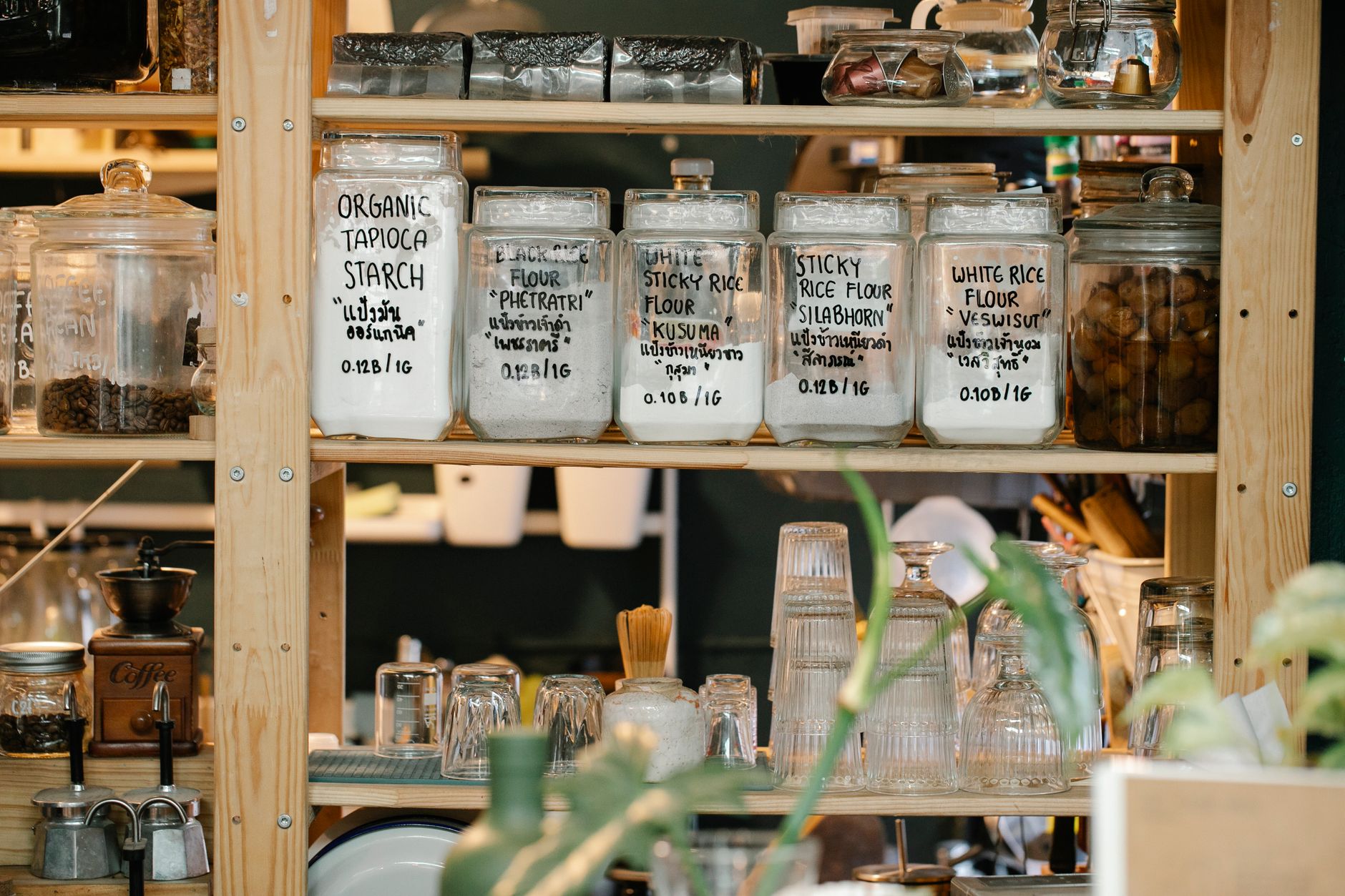
- Chalkboard Labels: Reusable and eco-friendly, chalkboard markers allow you to write and erase information easily. However, they may smudge if not sealed properly.
- Printed Labels with Laminate: For a professional look, use a label printer with laminated finishes. This provides maximum protection against spills and temperature changes.
- Silicone Food Markers: These are specialized pens that write directly on containers and are dishwasher-safe. They are less common but offer versatility.
Comparison Table: Manual vs. Printed vs. Digital Labeling
To help you choose the right approach, here is a detailed comparison of three popular labeling methods:
| Criteria | Manual (Handwritten) | Printed Labels | Digital (App-Based) |
|---|---|---|---|
| Cost | Low (markers, stickers) | Moderate (printer, label sheets) | Low to moderate (app subscription) |
| Durability | Variable; may smudge or fade | High; laminated options available | N/A (relies on device) |
| Ease of Use | Quick and flexible | Requires printer setup | Requires smartphone/tablet |
| Legibility | Depends on handwriting | Consistent and clear | Digital display only |
| Flexibility | Easy to change | Pre-printed templates limit edits | Highly customizable |
| Best For | Temporary storage, small kitchens | Long-term, professional use | Tech-savvy users, inventory tracking |
This table highlights that the best choice depends on your specific needs. For most households, a combination of manual and printed labels offers the perfect balance of cost and functionality.
Advanced Preservation Techniques and Labeling
Beyond basic identification, advanced labeling can actively contribute to food preservation. This section explores how to integrate labeling with cutting-edge preservation methods to maximize freshness and safety.
Finishing Touches: Sealing and Protecting Labels
The "finishing" of your labels—how you seal and protect them—is crucial for longevity. After applying a label, consider these steps:
- Reinforce with Clear Tape: For handwritten labels, cover them with a layer of clear packing tape to prevent smudging.
- Use Heat-Shrink Tubing: In commercial settings, heat-shrink sleeves provide a professional, tamper-evident seal that conforms to container shapes.
- Apply a Protective Spray: Food-safe acrylic sprays can create a moisture-resistant barrier on chalkboard labels.
Safety First: Avoiding Cross-Contamination
Labeling plays a pivotal role in preventing cross-contamination. Always use separate color-coded labels for raw and cooked foods. For example, red labels for raw meats, green for vegetables, and blue for seafood. Additionally, ensure that labels are applied to the outside of containers only, never directly on food surfaces.
Advanced Preservation Methods and Their Labeling Needs
Different preservation techniques require tailored labeling approaches:
- Vacuum Sealing: Note the vacuum seal date and the intended use-by period, as vacuum-sealed foods can last 5 times longer than conventionally stored items.
- Freezing: Use labels that withstand -18°C (0°F) without becoming brittle. Include a "thaw-in" instruction to guide safe reheating.
- Fermentation: Label with the start date, salt concentration, and expected finish date. This is critical for monitoring fermentation progress.
Labeling Best Practices for Fridge Management
Effective fridge management goes hand-in-hand with proper labeling. A well-organized refrigerator not only saves time but also promotes food safety. Here, we delve into strategies for using labels to optimize your fridge layout.
Organizing Your Fridge with Labels
Begin by categorizing your fridge into zones: dairy, meats, produce, leftovers, etc. Use labels that match these categories—e.g., green labels for produce, red for meats. This visual system allows you to locate items quickly and maintain order.
Categorization and Priority Labeling
Implement a priority labeling system based on consumption timelines. For instance:
- Red Labels: Consume within 1-2 days (e.g., cooked leftovers).
- Yellow Labels: Use within 3-5 days (e.g., opened packages).
- Green Labels: Longer-term items (e.g., condiments, sealed goods).
This method, often called the "First In, First Out" (FIFO) system, ensures older items are used first, reducing waste.
Reducing Food Waste Through Effective Labeling
According to the EPA, food waste is the largest component of municipal solid waste in the US. Effective labeling is a simple yet powerful tool to combat this. By clearly marking dates and contents, you are more likely to consume items before they spoil. A study by the University of California found that households that labeled their foods reduced waste by up to 20%.
Implementing a Labeling System in Your Kitchen
Transitioning to a labeled kitchen requires planning and consistency. Follow this step-by-step guide to establish a sustainable system.
Step-by-Step Guide to Setting Up Your System
- Assess Your Needs: Determine the types of containers you use most often (glass, plastic, stainless steel) and the volume of food you store.
- Choose Your Labeling Tools: Based on your assessment, select markers, labels, or a printer that suits your budget and lifestyle.
- Create a Labeling Station: Designate a drawer or area with all your labeling supplies for easy access.
- Develop a Consistent Format: Decide on the information every label will include and stick to it. For example, always write the date first, then contents.
- Label Immediately: Make it a habit to label containers as soon as food is prepared or transferred.
Common Mistakes to Avoid
- Vague Descriptions: Avoid terms like "leftovers" without specifying what they are.
- Ignoring Dates: The date is as important as the contents—never omit it.
- Using Non-Durable Labels: Standard paper labels will disintegrate in the fridge; always opt for waterproof options.
- Overcomplicating the System: Keep it simple. A complex system may deter consistent use.
Training Household Members
In a family or shared kitchen, ensure everyone understands the labeling system. Hold a brief training session where you demonstrate how to label and explain the benefits. Post a visual guide on the fridge as a reminder.
Conclusion: The Long-Term Benefits of Proper Food Container Labeling
Proper food container labeling is a small habit with massive returns. It enhances food safety, slashes waste, and brings order to your kitchen. By adopting the best practices outlined here—from choosing the right materials to implementing advanced preservation techniques—you can transform your food storage routine. Remember, the goal is not perfection but consistency. Start with one change today, like labeling all leftovers with dates, and watch how it positively impacts your kitchen dynamics. In the long run, a well-labeled kitchen is a healthier, more efficient, and more sustainable space.