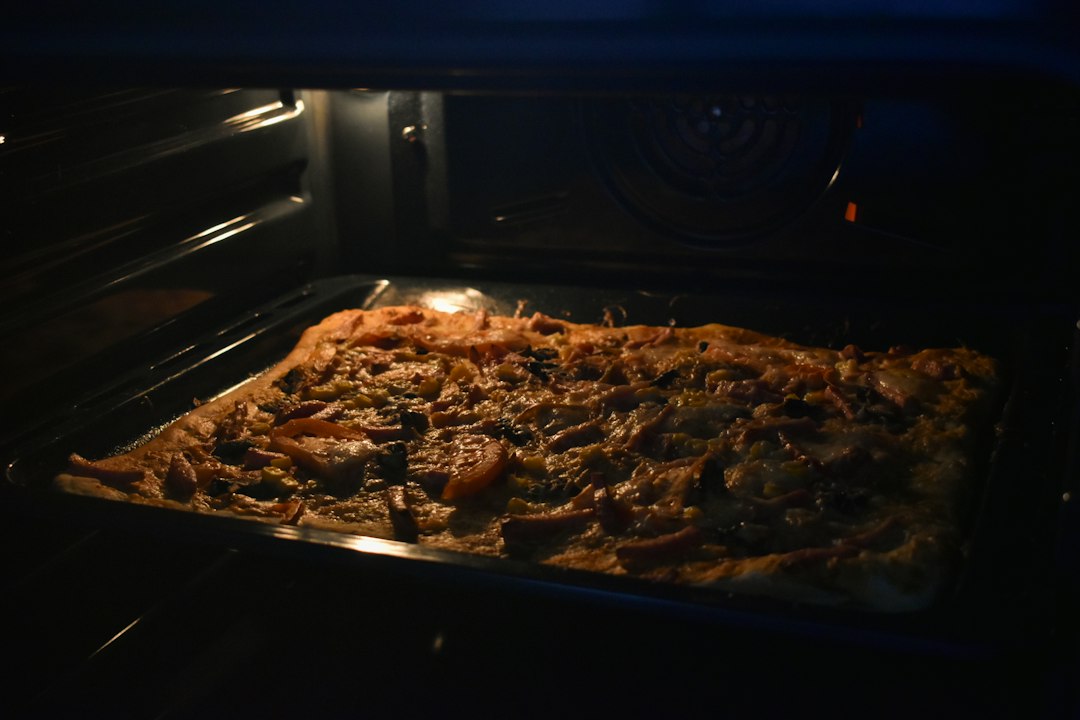
The Modern Solution to Weeknight Fatigue
In our fast-paced world, the transition from a long workday to a healthy, home-cooked meal is often the biggest hurdle for home chefs. Freezer-to-oven cooking is not merely a convenience; it is a sophisticated method of meal architecture that allows you to bypass the thawing process without sacrificing texture, flavor, or nutritional integrity. By mastering the art of freezing meals with the intent of direct heat application, you reclaim your evenings while maintaining a repertoire of high-quality dining options.
The philosophy behind this approach is simple: prepare when you have the time, and cook when you have the hunger. However, moving a dish from sub-zero temperatures to a hot oven requires more than just convenience—it requires an understanding of thermodynamics, moisture management, and material science.
The Science of Thermal Shock and Vessel Safety
One of the most critical aspects of freezer-to-oven cooking is the vessel itself. Not all bakeware is created equal, and attempting to put the wrong material into a preheated oven is a recipe for disaster.
Choosing the Right Materials
When selecting containers for your freezer-to-oven rotation, prioritize materials that can withstand rapid temperature changes, often referred to as "thermal shock."
- High-Quality Ceramic/Stoneware: These are excellent for even heat distribution. Ensure they are explicitly labeled "oven-safe" and "freezer-safe."
- Tempered Glass: While durable, avoid putting frozen glass directly into a searing hot oven unless the manufacturer guarantees its ability to withstand extreme thermal variance.
- Aluminum Foil Pans: These are the gold standard for convenience. They are lightweight, conductive, and disposable, making them ideal for casseroles or lasagnas intended for immediate oven entry.
- Avoid: Thin-walled glass or any container with plastic components or decorative attachments, as these will fail under high heat or shatter upon contact with hot surfaces.
Advanced Preservation Techniques for Superior Texture
Finishing a meal straight from the freezer requires foresight. If you freeze a meal improperly, the moisture will escape, leading to "freezer burn" and a dehydrated finished product. To master the art of freezer-to-oven cooking, you must treat the preparation stage as a science.
Seal Against the Cold
Air is the enemy of frozen food. When preparing your dishes, ensure there is minimal "headspace" in your container. For sauces, soups, or bakes, press a layer of parchment paper directly onto the surface of the food before covering it with a lid or foil. This creates a barrier against frost crystals.
The Component Method
Rather than freezing a finished product, consider freezing components that only need final assembly or a "finishing" touch. For example, prepare a protein and a sauce, freeze them in a vacuum-sealed bag, and keep your garnish (fresh herbs or crispy toppings) for the final 10 minutes of the baking cycle. This keeps textures vibrant and avoids the "mushy" consistency that can plague frozen casseroles.
Strategic Temperature and Timing
When cooking from frozen, you cannot follow a standard recipe's cook time. You are essentially adding a "thaw cycle" to your cooking cycle.
The Slow Rise Strategy
Start your oven at a lower temperature—roughly 300°F (150°C)—for the first 20–30 minutes. This allows the center of the meal to thaw gradually while the exterior begins to warm. Once the dish is no longer icy, increase the temperature to the standard baking range (375°F–400°F) to brown, crisp, or bubble your dish to perfection.
Comparison of Cooking Methods
| Feature | Standard Baking | Freezer-to-Oven |
|---|---|---|
| Preparation | Immediate | Long-term (Advanced) |
| Oven Temp | Recipe Standard | Start low (300°F), then increase |
| Cook Time | 30–45 Mins | 60–90 Mins |
| Material Needs | Standard Bakeware | High-Thermal-Shock Resistant |
| Texture Integrity | Fresh | Excellent (if sealed properly) |
Safety and Hygiene Protocols
Safety is non-negotiable. When cooking from frozen, the internal temperature of the food is the only metric that matters. Using a digital meat thermometer is the most authoritative way to ensure your food has cleared the "danger zone" (40°F to 140°F) quickly.
- Avoid Over-stuffing: Deep, dense dishes (like thick lasagnas or meatloaves) may cook on the outside while remaining cold or under-cooked in the center. Opt for wider, shallower vessels for faster, even heat penetration.
- The Foil Tent: Cover your dish with foil for the first 75% of the cooking time to steam the interior, then remove it for the final stage to achieve that golden-brown crust.
- Safety Check: Ensure your freezer remains at 0°F (-18°C) or lower at all times. If you have any doubt about the safety of the frozen meal, discard it.
The Future of Your Kitchen Workflow
Mastering this technique shifts your role in the kitchen from a "short-order cook" to a "culinary strategist." By setting aside a few hours on a weekend to prepare three or four "freezer-to-oven" meals, you effectively create a personal commissary of high-quality, ready-to-heat dinners.
Remember, the success of this method lies in the finish. Always reserve fresh elements—like grated parmesan, fresh basil, or a drizzle of olive oil—until after the oven has done the heavy lifting. This attention to detail elevates your frozen meals from "emergency food" to "gourmet convenience."