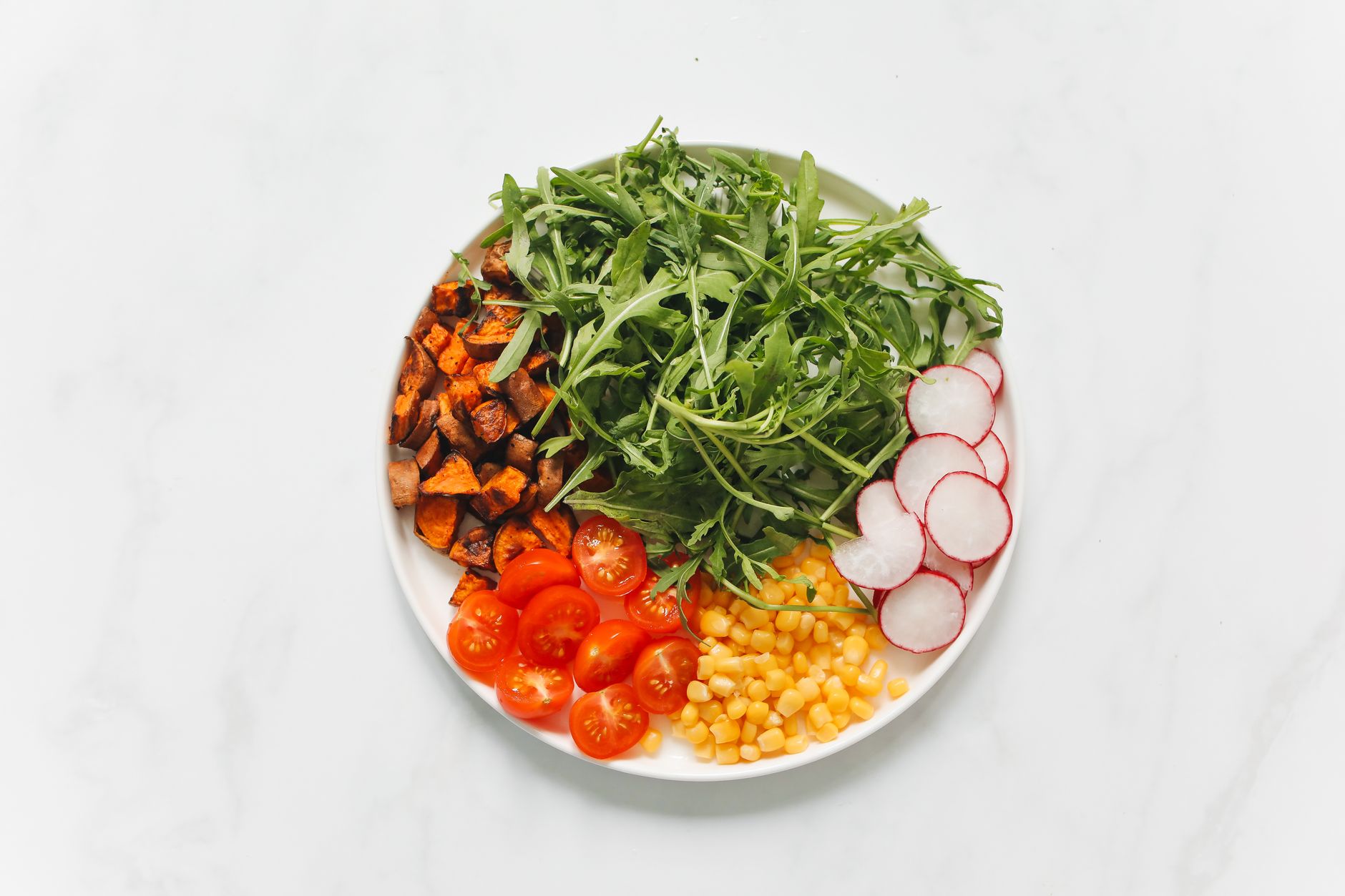
Why Storing Salads Is a Game Changer for Meal Prep
Meal prepping saves time, money, and reduces food waste, but salads are notoriously perishable. The key to a successful salad prep routine lies in understanding how different ingredients react to storage, how moisture and temperature affect texture, and how to combine them without compromising flavor or safety. This guide dives deep into the science and practical steps that keep your salads fresh for up to three days.
1. Pre‑Prep: The Foundation of Freshness
1.1 Clean and Dry Like a Pro
- Wash: Rinse greens and veggies under cold running water. Use a salad spinner or a clean towel to remove every splash of water.
- Dry: Excess moisture is the enemy of crispness. A salad spinner can reduce surface water by up to 90 %. If you don’t have one, pat everything dry with a paper towel—just be careful not to bruise delicate leaves.
1.2 Portioning Matters
- Separate Components: Store leafy greens, diced veggies, proteins, and toppings in separate containers. This prevents sogginess and allows you to customize each meal.
- Use the Right Containers: Airtight glass or BPA‑free plastic containers work well. For items that need more ventilation, consider breathable mesh bags.
1.3 Temperature Is Key
- Refrigerate Immediately: Place prepared salads in the fridge (≤ 40 °F) as soon as possible. The cooler the environment, the slower the enzymatic breakdown that leads to wilting.
2. Finishing Touches: Dressings, Seeds, and Cheese
2.1 Dressings on Demand
- Store Separately: Keep vinaigrettes, creamy dressings, and sauces in small, airtight bottles. Add them just before eating to preserve flavor and texture.
- Ingredient‑Specific Tips: Lemon‑based dressings can make greens wilt if left on too long, whereas oil‑based dressings protect against drying.
2.2 Crunchy Additions
- Nuts & Seeds: Toasted almonds, sunflower seeds, or pumpkin seeds should be stored in a sealed container at room temperature. They’re best added fresh to avoid rancidity.
- Croutons & Bread: Keep in a separate airtight container; they can become soggy if placed with the greens.
2.3 Cheese & Protein
- Cheese: Hard cheeses (Parmesan, pecorino) last longer than soft cheeses. Keep them wrapped in parchment paper to allow airflow.
- Proteins: Cooked chicken, tuna, or hard‑boiled eggs should be stored in their own containers to keep the salad components distinct.
3. Safety & Advanced Preservation
3.1 The Science of Moisture
- Moisture Control: The “wetness” of the salad is the most common cause of wilting. A paper towel placed at the bottom of the container can absorb excess water without squeezing the greens.
- Ventilation: Some salads benefit from a semi‑open container that lets steam escape while keeping them protected. Experiment with different levels of sealing.
3.2 Vacuum Sealing for Long‑Term
- Vacuum Seal: For salads that will sit for more than 48 hours, vacuum sealing removes oxygen and slows oxidation. Store in the freezer if you want to extend beyond 3 days.
- Freezing Tips: Freeze individual salad portions in airtight bags. Thaw in the refrigerator overnight before adding dressing.
3.3 Food Safety Checklist
| Step | What to Check | Why It Matters |
|---|---|---|
| Temperature | Keep below 40 °F | Prevent bacterial growth |
| Appearance | Look for discoloration | Indicates spoilage |
| Odor | Fresh, mild scent | A sour smell means it’s gone |
| Texture | Crunchy leaves | Softness signals wilting |
4. Final Prep: Assembling Fresh Salads for 3‑Day Storage
4.1 Build Layer by Layer
- Base: Place greens in the container first—this creates a barrier against moisture from the top.
- Veggies & Protein: Add diced veggies, cooked grains, and proteins next.
- Toppings: Sprinkle nuts, seeds, or cheese on top of the veggies, not the greens.
- Cover: Seal the container, leaving a small vent if needed.
4.2 Dressing On-Demand
- Pre