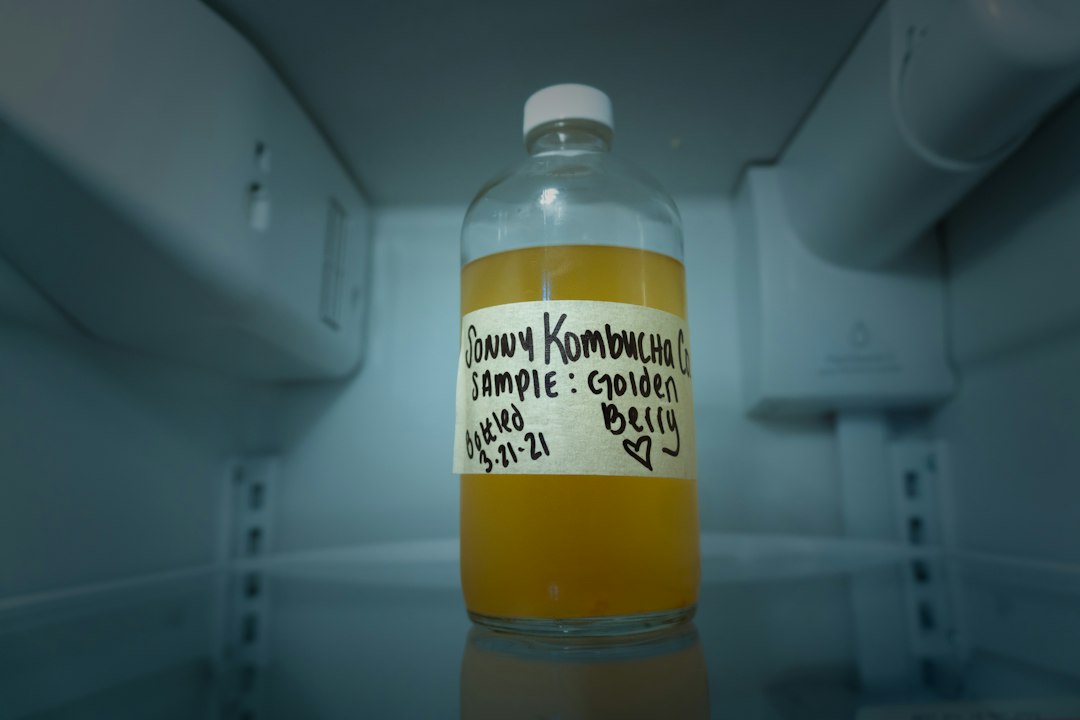
===TITLE===
Prevent Refrigerator Cross Contamination: The Complete Guide to Safer Food Storage
===META_DESCRIPTION===
Learn proven strategies to prevent refrigerator cross contamination. Master food storage zones, proper wrapping techniques, and temperature control for a safer kitchen.
===KEY_TAKEAWAYS===
- Store raw meats on the bottom shelf in sealed containers to prevent drips from contaminating ready-to-eat foods below
- Maintain your refrigerator at or below 40°F (4°C) and the freezer at 0°F (-18°C) to slow bacterial growth
- Clean spills immediately and sanitize shelves weekly with a solution of one tablespoon baking soda per quart of warm water
- Separate raw produce from cooked foods and use airtight containers for leftovers to eliminate hidden contamination vectors
===CONTENT==
Why Refrigerator Cross Contamination Is a Silent Kitchen Threat
Cross contamination in your refrigerator happens when harmful bacteria, viruses, or other microorganisms move from one surface or food item to another. It is one of the leading causes of foodborne illness in American households, yet it remains shockingly underappreciated by home cooks and busy families alike. The U.S. Centers for Disease Control and Prevention estimates that approximately forty-eight million people fall ill each year from contaminated food, with more than three hundred thousand requiring hospitalization and five thousand dying as a direct result. A significant portion of these cases traces back to improper food storage practices inside the refrigerator.
The refrigerator is supposed to be a safe zone, a place where food stays fresh and protected. But when raw meat juices seep onto a shelf and drip onto fresh vegetables, or when unwrapped cheese sits next to raw poultry, the cold environment does not eliminate the danger. It merely slows the multiplication of pathogens like Salmonella, E. coli, Listeria monocytogenes, and Campylobacter. Listeria, in particular, is concerning because it can actually continue to grow at refrigerator temperatures, making proper storage practices non-negotiable for households with young children, elderly members, pregnant women, or immunocompromised individuals.
Understanding the chemistry behind food preservation and bacterial transfer is the first step toward building a refrigerator management system that truly protects your family. Bacteria do not need warmth to survive; they need moisture, nutrients, and time. Your refrigerator provides all three in abundance when food is stored carelessly.
The Chemistry of Contamination Transfer
When raw animal products are placed in containers that are not fully sealed, residual fluids containing bacterial colonies can leak out through microscopic gaps or simply overwhelm weak packaging. These fluids, often called purge or drip, carry high concentrations of pathogens. Once these fluids contact another surface or food item, the contamination event is complete. Even if you visually inspect the second item and find no discoloration or odor, it may already harbor dangerous bacterial loads capable of causing illness.
Understanding the Science Behind Refrigerator Bacterial Growth
To effectively prevent cross contamination, you must understand what you are fighting against. Bacteria reproduce through binary fission, a process where a single cell divides into two identical cells. Under ideal conditions, certain bacteria can double their population every twenty minutes. While refrigerator temperatures slow this process considerably, they do not halt it entirely. The danger escalates when food spends time in the temperature danger zone, which spans between four零 degrees Fahrenheit and one hundred forty degrees Fahrenheit.
How Pathogens Spread Inside Your Fridge
Pathogens spread through direct contact, indirect contact, and airborne particles carried on condensation. Direct contact occurs when raw meat touches cooked food on the same plate or shelf. Indirect contact happens when bacteria transfer from contaminated surfaces like cutting boards, hands, or utensils to ready-to-eat foods. Airborne transfer is less commonly recognized but equally real. When you open a container of raw chicken and move it, microscopic droplets containing bacteria can travel through the air and settle on nearby surfaces or foods.
Temperature fluctuations also play a critical role. Every time you open the refrigerator door, warm air enters and raises the internal temperature slightly. If your refrigerator lacks proper airflow or is overstocked, certain areas may warm above the safe threshold, creating micro-environments where bacteria multiply faster than intended. This is why organizing your refrigerator with airflow in mind is just as important as the physical separation of food types.
The Official Refrigerator Food Storage Hierarchy
The most effective strategy for preventing cross contamination involves creating a clear hierarchy of food placement based on the risk each category poses. This system, endorsed by food safety experts and the USDA, arranges foods from lowest risk at the top to highest risk at the bottom, ensuring that any accidental drips or leaks travel downward away from safer foods rather than onto them.
Ready-to-Eat Foods Belong on the Top Shelf
The top shelf is reserved for items that will not be cooked before consumption. This includes leftovers, opened condiments, dairy products like cheese and yogurt, prepared salads, deli meats, bottled drinks, and fresh fruits and vegetables that have been thoroughly washed. Since these foods receive no additional heat treatment before eating, they must be protected from any possible contamination. Store them in sealed containers whenever possible, and never place them directly beneath raw animal products on any other shelf.
Raw Meat, Poultry, and Seafood Stay on the Bottom Shelf
Raw animal products carry the highest contamination risk and must occupy the bottom shelf. This placement ensures that if any package leaks or bursts, the contaminants fall to the lowest point in the refrigerator rather than dripping onto foods below. Use trays with raised edges or place these items on a plate or shallow pan to catch any potential leaks. Raw ground meats are especially risky because their increased surface area allows bacteria to spread more easily throughout the product during the grinding process.
Eggs and Dairy Get Their Own Designated Zone
Eggs should always be stored in their original carton, which protects them from absorbing strong odors and provides structural support that individual cardboard cups cannot. Place the carton on a middle shelf rather than in the door, where temperature fluctuations are more pronounced. Dairy products like milk and butter also belong on a middle shelf in the main body of the refrigerator rather than in the door compartment. The door is the warmest part of most refrigerators, and storing milk there exposes it to temperatures that accelerate spoilage and bacterial growth.
Produce Baskets Require Special Handling
Vegetables and fruits should be stored in the crisper drawers, which are designed to maintain appropriate humidity levels for produce longevity. Keep raw produce separate from raw meats even if they are on different shelves. unwashed produce should go directly into the crisper, while washed produce should be dried thoroughly before storage because excess moisture promotes bacterial growth and accelerates spoilage.
Airtight Containers and Proper Packaging Practices
Physical barriers are your first line of defense against cross contamination. Airtight containers serve multiple purposes simultaneously: they contain any potential leaks, they block odor transfer between foods, and they create a visible separation that reminds everyone in the household to treat each item with appropriate care.
Choose the Right Container for Each Food Type
Glass containers with locking lids offer the most reliable seal and are impervious to staining and odor absorption. They are heavier and more expensive but last indefinitely. High-quality plastic containers with silicone gaskets provide excellent seals at a lower cost and are lighter for everyday use. For items that will sit in the refrigerator for extended periods, vacuum-sealed bags represent the gold standard because they remove air entirely and create an impermeable barrier against contamination.
Never Store Raw Meat in Its Store Packaging
The Styrofoam trays wrapped in plastic film that you bring home from the grocery store are designed for display, not for long-term refrigerator storage. This packaging is thin, prone to puncturing, and often allows juice to escape through the film seams. Always transfer raw meat, poultry, and seafood to a leak-proof container before placing it in your refrigerator. If you are not cooking the meat within one or two days, freeze it immediately in a properly sealed freezer bag or container.
Cleaning and Sanitizing Your Refrigerator Regularly
Even with perfect storage practices, contamination can occur. Spills happen, containers crack, and surfaces accumulate residue from daily use. A rigorous cleaning routine is essential for maintaining a contamination-free refrigerator environment.
The Weekly Sanitation Routine
Dedicate fifteen minutes each week to cleaning your refrigerator interior. Remove all items and discard anything that has passed its expiration date or shows signs of spoilage. Wipe down every shelf, drawer, and wall surface with a solution of one tablespoon baking soda dissolved in one quart of warm water. Baking soda is an effective, food-safe cleaner that neutralizes odors without leaving harmful chemical residues. For stubborn stains or sticky residues, a diluted white vinegar solution works equally well. Rinse surfaces with clean water and allow them to dry completely before returning food items.
Immediate Spill Response Protocol
Never ignore a spill, no matter how small. A few drops of raw chicken juice on a shelf may seem insignificant, but those drops can contain thousands of Salmonella bacteria. Clean spills immediately using paper towels and an appropriate disinfectant. Keep a roll of paper towels and a refrigerator-safe disinfectant spray stored inside or just outside the refrigerator door for quick access. After cleaning any spill, wipe the area with a clean damp cloth and allow it to air dry before restocking.
Temperature Monitoring and Appliance Maintenance
Your refrigerator must maintain a consistent temperature at or below forty degrees Fahrenheit to keep bacterial growth in check. Freezers should stay at zero degrees Fahrenheit or below. Modern refrigerators often include digital displays showing internal temperatures, but older models require an independent appliance thermometer for accurate monitoring.
Where to Place Your Thermometer
Place a refrigerator thermometer on the middle shelf, away from the cooling element and the door, to get the most representative reading of everyday storage conditions. Check it weekly and adjust the thermostat setting if the temperature drifts above forty degrees Fahrenheit. If your refrigerator struggles to maintain proper temperature, inspect the door seals for cracks or gaps. Place a dollar bill between the door and the seal, close the door, and try to pull the bill out. If it slides out easily, the seal is compromised and needs replacement.
Avoid Overpacking Your Refrigerator
Overpacking restricts airflow and creates warm spots where bacteria thrive. Maintain at least an inch of space between items to allow cold air to circulate freely. When you load groceries into the refrigerator, prioritize placing items in their designated zones rather than cramming everything in haphazardly. An organized refrigerator is a safe refrigerator, and the small investment of time in proper arrangement pays continuous dividends in food safety.
The Danger Zone of Extended Door Openings
Every minute your refrigerator door stays open, warm air replaces the cold air inside, forcing the compressor to work harder and temporarily raising temperatures in the storage area. Make a habit of deciding what you need before opening the door, retrieving items efficiently, and closing the door promptly. Teach children to follow the same protocol. If your refrigerator has a alarm that sounds when the door is left open too long, make sure that feature is enabled.
Comparison Table: Safe vs. Unsafe Refrigerator Practices
| Practice | Safe Approach | Unsafe Approach |
|---|---|---|
| Raw meat storage | Sealed container on bottom shelf | Store packaging on middle shelf above vegetables |
| Leftover storage | Airtight glass container, labeled with date | Open bowl covered with foil on any shelf |
| Egg storage | Original carton on middle shelf | Loose eggs in the door compartment |
| Produce washing | Wash and dry before storage | Wash and store wet, promoting bacterial growth |
| Shelf cleaning | Weekly baking soda wipe-down | Monthly or only when spills are visible |
| Thermometer use | Appliance thermometer checked weekly | No monitoring, assuming the fridge is cold enough |
| Spill response | Immediate cleanup and sanitization | Wipe next time you think of it |
| Container choices | Locking-lid glass or heavy-duty plastic | Thin store packaging or uncovered plates |
| Door organization | Condiments and drinks only | Storing raw ingredients in the door |
| Thawing methods | Thaw in refrigerator on bottom shelf | Thaw on counter at room temperature |
Building Long-Term Habits That Last
Preventing cross contamination is not a one-time project. It is an ongoing practice that requires attention to detail and consistent habits. Start by auditing your current refrigerator organization system. Identify which areas are working well and which need improvement. Make one change at a time rather than attempting a complete overhaul in a single day. Perhaps this week you invest in a set of proper containers. Next week you adjust the shelf arrangement. Within a month, you will have built a system that naturally prevents contamination through design rather than relying solely on vigilance.
Involve every member of your household in the process. Post a simple chart on the refrigerator door showing which shelf is designated for which food type. Review the cleaning schedule together and assign responsibilities. When everyone understands the why behind the rules, compliance becomes natural rather than forced.
Your refrigerator is the most used appliance in your kitchen, and the safety of every meal you prepare depends partly on how well you manage what goes inside it. By understanding the science of contamination, following the storage hierarchy, maintaining proper packaging, cleaning systematically, and monitoring temperature consistently, you create a comprehensive defense that protects your family from foodborne illness. The effort is modest, the steps are straightforward, and the payoff is a kitchen environment where every ingredient stays safe from preparation to plate.
===FAQS===
Q: Can cross contamination still happen if my refrigerator is clean?
A: Yes. Clean surfaces reduce the risk significantly, but cross contamination primarily occurs through food-to-food contact rather than dirty surfaces alone. Raw meat stored improperly on a clean shelf can still contaminate other foods through leaks, drips, or direct contact. Cleanliness and proper organization address two different aspects of food safety. Both are necessary for complete protection.
Q: How long can raw meat safely sit in the refrigerator before it spoils?
A: Raw poultry and ground meats should be cooked or frozen within one to two days. Whole cuts of beef, pork, lamb, and veal can safely remain in the refrigerator for three to five days. Fish and shellfish should be cooked within one to two days. These timelines assume your refrigerator maintains a consistent temperature at or below forty degrees Fahrenheit. When in doubt, freeze the item immediately or discard it.
Q: Is it safe to rinse raw chicken before cooking it?
A: No. Rinsing raw chicken spreads bacteria across your sink, countertops, nearby utensils, and even other foods through splashing water droplets. The USDA explicitly recommends against rinsing raw poultry because the cooking process will kill any bacteria present. Handle raw chicken carefully, keep it contained in its packaging until ready to cook, and wash your hands thoroughly after handling it.
Q: Should I use separate cutting boards for raw meat and vegetables?
A: Absolutely. Using separate cutting boards prevents direct bacterial transfer from raw meat surfaces to produce that will not be cooked. Color-coded boards are a popular professional kitchen solution, but even basic separation by material type works well. Assign one board exclusively for raw meats and another for vegetables, fruits, bread, and ready-to-eat foods. Wash each board thoroughly with hot soapy water after every use and sanitize them regularly to eliminate residual bacteria.
===IMAGE_PROMPT===
A bright modern kitchen refrigerator interior viewed from a slightly elevated angle, showcasing perfectly organized shelves with clear glass containers holding colorful leftovers, raw chicken breasts in sealed leak-proof containers on the bottom shelf above a drip tray, eggs in their original carton on a middle shelf, fresh produce in crisper drawers with visible condensation control, and a small appliance thermometer mounted on the back wall. Soft natural light illuminates the scene emphasizing cleanliness and order, with a subtle watermark-style text overlay reading "Prevent Cross Contamination" in elegant typography. The color palette features cool whites and blues contrasting with warm food tones, creating a sense of freshness, safety, and organized domestic life. Shot in high resolution with shallow depth of field focusing on the middle shelves while maintaining sharp detail throughout.